

Understanding late blight population dynamics in potatoes
New, aggressive strains of late blight in potatoes are making control measures more difficult. A monitoring programme is to track the population dynamics of the pathogen in Switzerland and provide practical recommendations
Factsheet
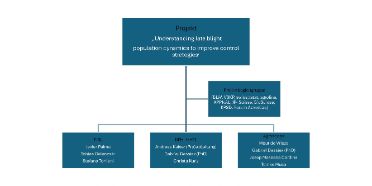
- Schools involved School of Agricultural, Forest and Food Sciences
- Institute(s) Agriculture
- Research unit(s) Plant Production and Biodiversity
- Funding organisation Schweizerische Eidgenossenschaft (Bundesverwaltung)
- Duration (planned) 01.10.2025 - 31.12.2029
- Head of project Prof. Dr. Andreas Keiser
-
Project staff
Prof. Dr. Andreas Keiser
Christa Kunz
Stefan Vogel
Martin Häberli
Prof. Dr. Fabio Mascher
Gabriel François Dessiex -
Partner
Agroscope
Appnal
BioSuisse
Bundesamt für Landwirtschaft BLW
FiBL - Forschungsinstitut für biologischen Landbau - Keywords Late blight, Phytophthora infestans, monitoring population dynamics, susceptibility to fungicides (resistance)
Situation
The population of the late blight pathogen Phytophthora infestans varies from year to year: new, more virulent and genetically diverse strains are jeopardising both the efficacy of fungicides and the resistance of robust potato varieties. Some of these potato strains can overcome resistance genes or have reduced susceptibility to key fungicides. The population structure of the pathogen that causes late blight is poorly understood in Switzerland. This project aims to establish a comprehensive monitoring network in potato-growing areas to genetically characterise existing isolates and gain a better understanding of the composition and dynamics of the Swiss population.
Course of action
The aims of the project are: (1) to investigate interactions between pathogens, potato varieties and fungicides (2) to develop analytical methods for the early detection of high-risk strains (3) to identify strategic sampling areas to serve as an early warning system (4) to understand the selection pressure arising from agronomic practices and cultivation systems
Looking ahead
The results of this study are to be incorporated into the PhytoPRE decision support system and used to make recommendations for the control of late blight in potatoes that are adapted to farming practices. The aim is to optimise varietal selection of potatoes and fungicide use (appropriate timing and use of mode of action) and at the same time reduce costs and the risk of infection. To ensure rapid transfer of knowledge into practice and boost farmers’ confidence, a network of pilot farms will be set up, and strategies will be implemented and discussed in a series of workshops.