Pelvic floor health in rural Nepal
This collaborative research project investigates pelvic-floor-protective lifting techniques for women in rural Nepal, aiming to improve pelvic health and reduce risk factors through community-based interventions.
Factsheet
- Schools involved School of Health Professions
- Institute(s) Physiotherapy
- Research unit(s) Pelvic Floor Health
- Funding organisation Others
- Duration (planned) 01.02.2026 - 31.12.2027
- Head of project Dr. Helena Luginbühl
-
Project staff
Dr. Helena Luginbühl
Jill Vögelin
Pascale Denise Brand - Partner Dr. Akina Shrestha, Department of Public Health, Kathmandu University School of Medical Sciences, NP
- Keywords Women’s health; health behavior change intervention; low resource populations; pelvic floor disorders; Pelvic organ prolapse; Physiotherapy.
Situation
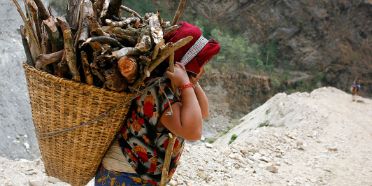
In rural Nepal, women frequently perform heavy physical labour, including agricultural and domestic tasks that require repetitive lifting and heavy loads. The prevalence of pelvic floor disorders is notably high among this population, often exacerbated by limited access to health education and preventive strategies. This project addresses these challenges by introducing community-based interventions to promote pelvic-floor-protective lifting habits, with the aim of reducing risk factors and supporting the long-term pelvic health of women in these rural areas. This initiative is being conducted as a collaboration between local health professionals, community organizations, and international partners, ensuring culturally sensitive and sustainable solutions for pelvic floor health in rural Nepal.
Course of action
This project adopts a participatory, community-based approach to promote pelvic-floor-protective lifting among women engaged in heavy lifting in rural Nepal. After local needs assessment to identify current lifting practices, perceived barriers, and knowledge gaps regarding pelvic floor health, the intervention consists of interactive workshops delivered in a blended, hybrid and online format within the communities, focusing on anatomical education, risk factors for pelvic floor disorders, and hands-on training in protective lifting methods. Peer educators are trained to reinforce key messages and provide ongoing support. Culturally adapted training materials and practical demonstrations on safe lifting techniques are developed in collaboration with local professionals. Throughout the project, feedback sessions are held to adapt the program to community needs, and partnerships with local health services are fostered to ensure sustainability. The effectiveness and acceptability of the intervention is monitored and assessed based on questionnaires, and lessons learned inform the potential scale-up of pelvic-floor-protective practices in similar rural settings.
Looking ahead
This project will serve as a foundation for advancing pelvic-floor-protective lifting practices among women in rural Nepal. Building on initial results from a former collaboration, which highlighted the positive effects of enhanced self-efficacy and social support on pelvic floor health among women in rural Nepal, this program aims to strengthen local capacity, provide supportive resources and empower women to take independent action in caring for their pelvic floor health. The multidisciplinary team will continue to collaborate with community leaders, health professionals, and peer educators to adapt training materials and ensure cultural relevance. By prioritizing women’s health and empowerment, the project directly supports United Nations Sustainable Development Goals 3 (Good Health and Well-being) and 5 (Gender Equality). Lessons learned and data collected will guide the scale-up of the intervention to other rural regions and inform policy recommendations. Through ongoing evaluation and partnership, this initiative aspires to create lasting impact on women’s health and contribute to broader efforts in global health and gender equity.